
Good packing protects your belongings, but it also makes the entire move faster. When boxes are the right size, labelled clearly, and packed by room, movers can load more efficiently, and you can find what you need at the new home without opening every carton.
These packing tips for moving cover the whole home, from kitchens and bedrooms to bathrooms, offices, garages, and small furniture. The goal is not to pack as quickly as possible. It is to use a room-by-room system that stays organized from the first box to the last.
Packing Checklist Before You Start
Running out of tape or boxes halfway through a room wastes time and encourages poor packing. Gather the basics first, including enough packing supplies for the rooms and items you need to protect.
| Supply | Best use |
|---|---|
| Small boxes | Books, cans, tools, other dense items |
| Medium boxes | General household items |
| Large boxes | Bedding and light, bulky items |
| Packing paper or cushioning | Fragile items and empty space |
| Strong tape | Sealing and reinforcing cartons |
| Markers and labels | Room, contents, handling notes |
| Furniture pads or stretch wrap | Protecting furniture surfaces |
| Small sealable bags | Hardware, cords, remotes |
5 Easy Packing Tips for Moving That Apply to Every Room
-
Pack one room at a time.
-
Use small boxes for heavy items and larger boxes for light items.
-
Fill gaps so contents cannot shift.
-
Label two sides with room, contents, and handling notes.
-
Keep medication, documents, keys, and valuables with you.
Whether you are packing yourself or hiring professional packing help, the same rule applies: start with a plan and work room by room instead of filling boxes at random.
Kitchen: Pack Fragile Items First
The kitchen usually takes longer than expected because it contains many fragile, heavy, and oddly shaped items. Start with things you rarely use, then leave a small set of everyday dishes and cookware until the final days.
Dishes, glassware, and mugs
-
Cushion the bottom of the box.
-
Wrap fragile items individually.
-
Pack plates on edge in a suitable dish box.
-
Fill gaps and mark the box FRAGILE.
Pots, pans, and small appliances
Nest pots and bowls where possible, with paper or soft material between surfaces that can scratch. Remove loose parts from small appliances and bag them together. Wrap glass lids separately. Do not overload a large box with cookware simply because everything fits.
Food and pantry items
Use the move as a reason to reduce open, expired, or rarely used pantry products. Seal anything that could spill. Keep cans and heavier items at the bottom. Perishable food usually needs a separate plan, especially for long-distance moves, so check what your mover will and will not transport.
Living Room: Protect Electronics and Décor
Living rooms combine furniture, electronics, artwork, books, and decorative items so that no single packing method will suit everything.
Books and décor
Pack books in small boxes so the final weight stays manageable. Wrap delicate décor individually and use enough padding to keep pieces from touching. Framed art and mirrors should be protected at the corners and packed in suitable picture or mirror boxes when possible.
Electronics
Before disconnecting a television, gaming system, sound system, or computer setup, take a photo of the cables. Label cords and keep them with the device they belong to. If you still have the original packaging for delicate electronics, it is often useful. Otherwise, use a sturdy box with enough cushioning on every side.
Bedrooms: Start With Non-Essentials
Bedrooms are easier when you separate what you will wear before the move from what can be packed immediately. Seasonal clothing, spare bedding, shoes, and items stored at the back of the closet can go first.
-
Use wardrobe boxes for hanging clothes.
-
Pack folded clothes in suitcases, boxes, or clean bins.
-
Keep a few days of clothing with you.
-
Protect mattresses and keep valuables separate.
Children’s Rooms: Keep Favourites Handy
You can pack children’s rooms gradually without making the move feel disruptive. Start with outgrown clothing, books, and toys that are not in daily use. Let children choose a small bag of favourite items to keep with them, rather than packing everything they rely on for comfort.
Label boxes clearly by child and room. Small toy parts can go into labelled bags inside a larger box. If furniture needs to come apart, photograph it before disassembly and keep all hardware together.
Bathrooms: Keep Essentials Separate
Bathrooms are small, but they contain plenty of items that can leak. Start by discarding expired or empty products. Tighten lids, place open liquids in sealable bags, and keep daily toiletries aside until the final morning.
-
Use clean towels to cushion suitable breakables.
-
Keep medication with you.
-
Check restrictions on cleaning products and protect glass separately.
Home Office: Organize Documents and Cables
A home office often contains information you cannot easily replace. Back up important digital files before moving. Keep passports, contracts, financial records, tax documents, and other sensitive paperwork in a secure folder or container that stays with you.
For computers and monitors, label each cable before disconnecting it. Photograph the setup. Use anti-static or manufacturer-recommended protection where needed, and avoid packing heavy office supplies in the same box as electronics.
Basement: Sort Before You Pack
These spaces tend to hold the items people forget about until the end. Give yourself extra time. Sort tools, sports equipment, seasonal items, and stored boxes before repacking them. Dispose of anything that is broken or no longer needed rather than moving it automatically.
Pay close attention to products such as fuel, propane, paint, solvents, pesticides, aerosols, and other potentially hazardous materials. Moving companies may not be able to transport them. Ask for the mover’s restricted-items list and arrange safe disposal or separate transport where appropriate.
How to Pack Small Furniture Items
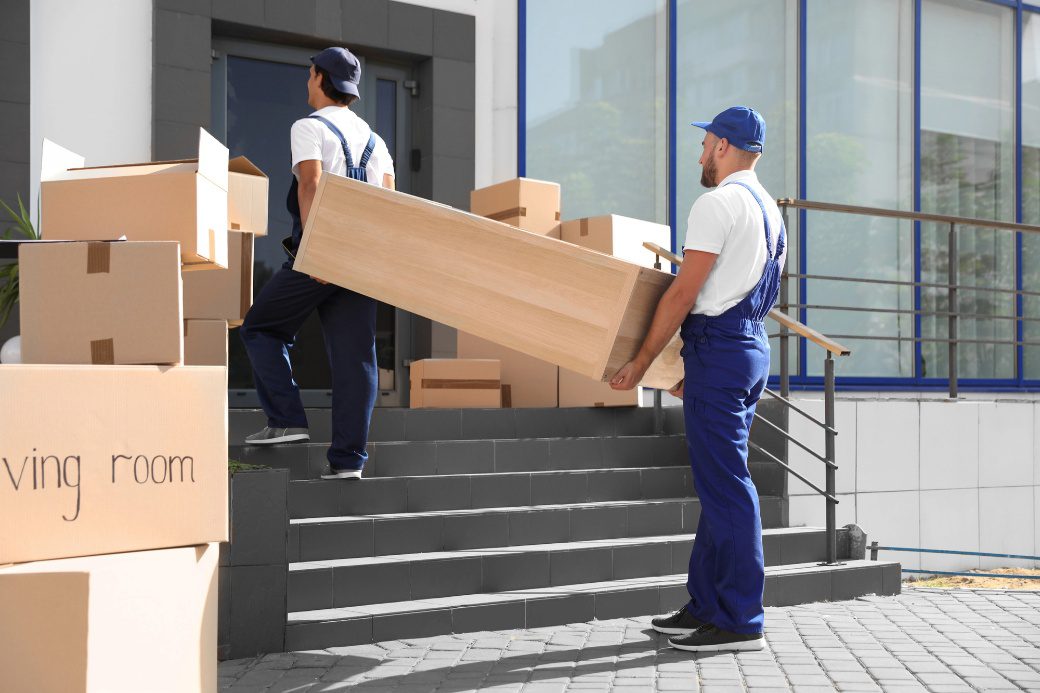
To pack small furniture items safely, first decide whether each piece is better moved assembled or partially disassembled. Side tables, small shelving units, stools, benches, and lightweight cabinets may be easy to carry intact, but loose shelves, legs, knobs, glass inserts, and doors can shift or break in transit.
-
Empty drawers unless the mover says light contents can stay.
-
Remove loose shelves, glass, and detachable parts.
-
Bag and label screws and hardware.
-
Protect corners and finished surfaces.
-
Keep tape off wood, paint, and delicate finishes.
For larger jobs, full-service movers can often disassemble and reassemble furniture as part of the move, which reduces the amount of furniture preparation you need to handle yourself.
Packing and Moving Tips for the Final 48 Hours
-
Finish non-essential packing.
-
Keep your essentials bag separate.
-
Charge phones and other moving-day devices.
-
Prepare appliances as required.
-
Confirm access and do a final sweep.
Pack With Unpacking in Mind
The best packing system is the one that still makes sense after the truck is unloaded. Keep rooms together, use the right size boxes, protect fragile items properly, label everything clearly, and keep critical belongings with you.
If you would rather hand over some or all of the packing, Let’s Get Moving can provide packing and moving support based on your home, schedule, and the items that need extra care. A clear plan before the first box is sealed makes the rest of the move easier.
Frequently Asked Questions About Packing for a Move
How early should I start packing?
For a typical home, start with non-essential items four to six weeks before moving day. The exact timing depends on home size, how much you own, and how much time you can dedicate each week. Kitchens, storage areas, and garages usually take longer than expected.
What room should I pack first?
Start with the room or area you use least, such as a guest room, storage space, basement, or seasonal closet. Finish with the kitchen, bathroom essentials, everyday clothing, and work items you need right up to moving day.
Should I empty dresser drawers before moving?
Ask your moving company. Some movers may allow light, soft contents to remain in certain sturdy drawers, while others prefer drawers emptied for safer handling. Fragile, heavy, valuable, or loose items should not be left inside furniture.
Can movers pack everything for me?
Many full-service moving companies offer partial or full packing, so you can book help for specific rooms, fragile items, or the whole home. Coordinating packing and moving services with one crew can also reduce handoffs between packing day and moving day.