
A less stressful move usually comes down to three things: starting early, making decisions before moving day, and keeping the essentials easy to find. The best moving tips are not complicated. They help you break one large job into smaller tasks, protect your belongings properly, and avoid the last-minute problems that make a move feel harder than it needs to be.
This guide covers moving tips in Canada, long-distance relocations, winter conditions, packing, and moving-day logistics. A week-by-week moving checklist can help you assign each task to the right stage instead of leaving everything to the final days.
The Most Important Moving Tips at a Glance
| Priority | What to focus on | Why it helps |
|---|---|---|
| Plan early | Date, mover, access | Fewer last-minute gaps |
| Declutter | Move only what you need | Less packing and volume |
| Pack by room | Clear labels, sensible box sizes | Faster loading and unpacking |
| Prepare access | Elevators, parking, loading | Avoids moving-day delays |
| Keep essentials with you | Documents, medication, chargers | Easier first night |
1. Start With a Simple Moving Plan
Trying to remember every task in your head is one of the fastest ways to make moving feel chaotic. Create a moving checklist and assign a date to each task. Your list should cover the move itself, but also the jobs around it: utilities, address changes, school or childcare arrangements, building access, cleaning, packing, and the first few days in your new home.
A useful starting point is to divide the move into stages: planning, decluttering, packing, final confirmations, moving day, and settling in. This structure helps prevent common residential moving mistakes such as late booking, rushed packing, and overlooked access requirements.
Six to eight weeks before the move
-
Set the date and confirm property access.
-
Compare movers and written estimates.
-
List large or high-value items.
-
Confirm elevators, parking, and loading access.
Two to four weeks before the move
-
Pack non-essential items.
-
Confirm utilities and internet.
-
Update key addresses.
-
Confirm the crew, special items, and child or pet care.
2. Declutter Before You Buy More Boxes
For moves in Canada, especially long-distance relocations, reducing the volume before packing can save time and may reduce transportation costs. There is no benefit in paying to move items you already know you do not want.
Decluttering also gives you a more accurate picture of the move. When the inventory is realistic, it is easier for a moving company to estimate the crew size, truck capacity, packing needs, and overall time required.
3. Choose the Right Level of Moving Help
Not every move needs the same service. A small apartment move across town may only require loading, transportation, and unloading. A larger house, long-distance relocation, or time-sensitive move may benefit from packing, furniture disassembly, storage, or a full-service approach.
A full-service move can include packing, loading, transportation, furniture handling, and setup, while a DIY move leaves more work to you. Decide what you have the time, equipment, and physical capacity to handle safely.
4. Pack in a Way That Makes Unpacking Easier
Packing should follow a system. Start with the rooms and items you use least, then work toward everyday essentials. Keep each box focused on one room, and label it clearly on at least two sides. A label such as “Kitchen: pots and baking trays” is more useful than simply writing “Kitchen.”
Put heavy items in smaller boxes that are easier to lift. Lighter items can go in larger boxes. Use proper padding around breakables, fill empty spaces so items cannot shift, and avoid overloading cartons until the bottoms bow or the boxes are too heavy to carry safely.
Professional packing and moving services often use the same room-by-room system because it keeps the inventory easier to track from packing through delivery.
Create a first-night box or bag
Pack the items you will want before the rest of the home is unpacked. Keep this with you rather than deep inside the moving truck.
-
Toiletries, medication, and a change of clothes
-
Chargers and essential electronics
-
Documents, keys, and valuables
-
Basic food, kitchen items, and bedding
-
Pet or child essentials
5. Prepare the Property Before the Movers Arrive
Clear hallways, stairs, and doorways. Move small items out of traffic areas. If you are responsible for snow or ice removal, make sure outdoor paths are safe. Confirm where the truck can park and whether the crew needs keys, access codes, elevator bookings, or concierge approval.
Condo moves need extra attention because access is often scheduled. Confirm elevator windows, loading areas, parking, and building rules before moving day so the crew can start on time.
6. Moving Day Tips That Keep the Job on Track
Moving day should be about execution, not last-minute planning. Before the crew arrives, make sure most packing is complete unless you booked a professional packing service. Keep walkways open, pets secure, and items not going on the truck clearly separated.
-
Walk through fragile or unusual items with the crew.
-
Keep no-load items clearly separate.
-
Keep your phone charged and available.
-
Check closets, cupboards, balconies, and storage areas.
-
Direct boxes by room and do a final walkthrough.
7. Plan for the Time Between Homes
Delivery windows, weather, road conditions, travel arrangements, and the distance between locations can all affect timing. Pack enough clothing, medication, work equipment, important documents, chargers, toiletries, and other essentials to manage for several days without the rest of your belongings. If you are travelling separately from the moving truck, keep valuable, irreplaceable, or urgently needed items with you. For long-distance moving tips, focus on the details that can prevent delays and make the transition easier:
-
Confirm pickup and delivery windows.
-
Ask who will handle your move from pickup to delivery.
-
Keep an inventory and photos of higher-value items.
-
Check restricted items and storage options in advance.
-
Leave some flexibility in your travel plans.
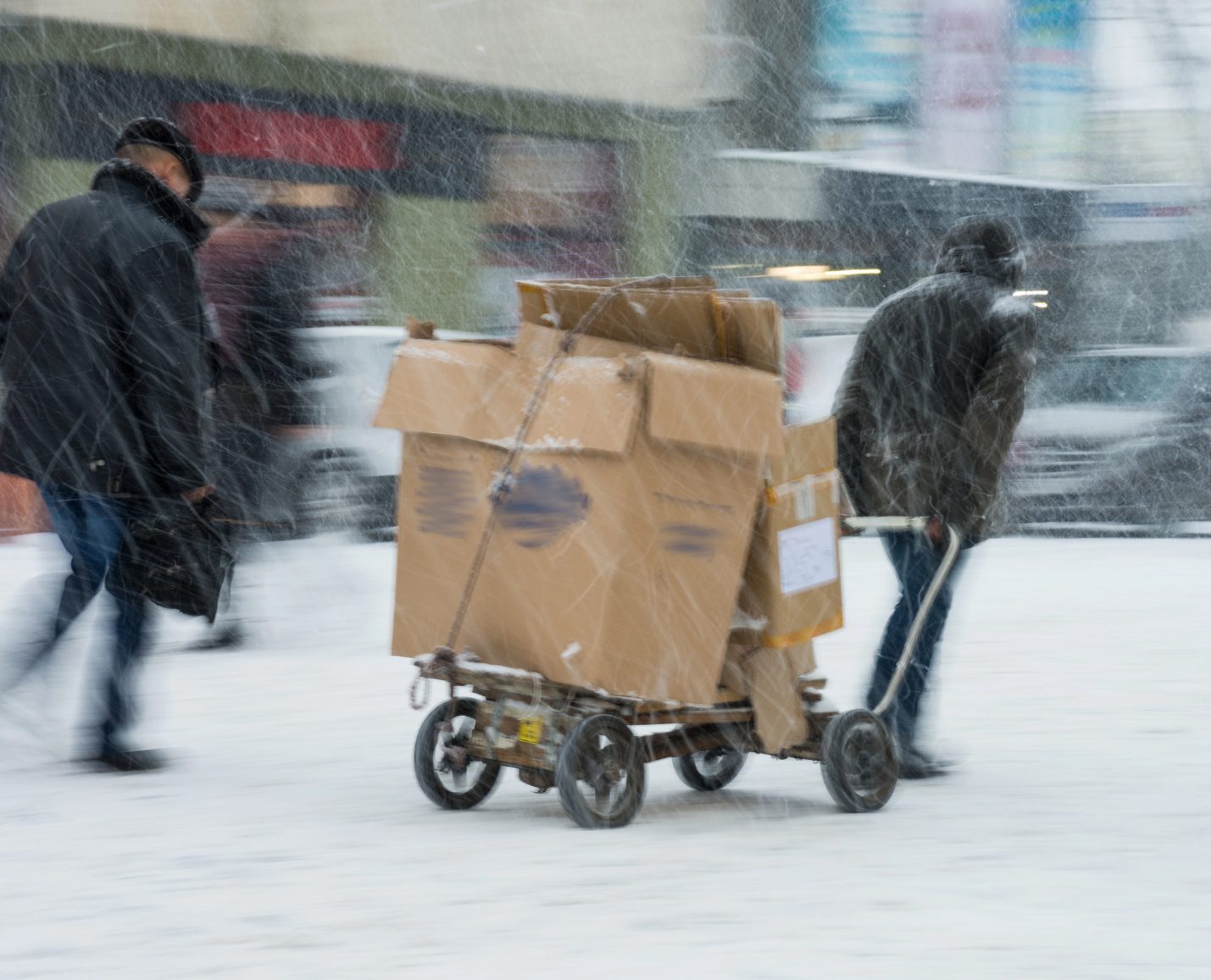
8. Moving in Winter Tips
Build in extra flexibility for weather, and keep pathways, floors, and temperature-sensitive belongings in mind. The best winter moving advice also accounts for shorter daylight hours, wet floors, and extra time for safe loading.
Winter moves are manageable, but they require a little more preparation. Snow, ice, shorter daylight hours, wet floors, and temperature-sensitive belongings can slow the work down if nobody plans for them.
9. Update Your Address and Services Before You Forget
Address changes are easy to postpone once the physical move is finished. Build them into your moving checklist instead. Update your employer, financial institutions, insurance providers, government records, subscriptions, schools, medical providers, and any other organization that regularly sends important mail.
Canada Post offers a mail forwarding service for people moving from a Canadian address. Forwarding can help while you update individual senders, but it does not replace updating your address directly with organizations that need current information.
10. Unpack by Priority, Not by Box Number
You do not need the entire home finished on the first night. Start with the rooms that affect daily life: bedrooms, bathrooms, the kitchen, and any workspace you need immediately. Assemble beds, find towels and toiletries, set up essential kitchen items, and make sure the internet or work equipment you need is functioning.
Good Planning Makes Moving Day Easier
A less stressful move does not require everything to go exactly as planned. It means you have enough structure to handle changes without the whole plan falling apart. Start early, pack systematically, confirm the logistics, and keep the items you cannot be without close at hand.
If you would rather have experienced movers manage the heavy lifting, transportation, packing, or the full move, Let’s Get Moving can help you plan the level of service that fits your home and timeline. Get a moving quote and make the next steps clear before moving day.
Frequently Asked Questions About Moving Tips
How early should I start planning a move?
For most household moves, starting six to eight weeks ahead gives you enough time to compare movers, declutter, pack gradually, and handle administrative tasks. Smaller local moves may need less time. Large, long-distance, summer, or end-of-month moves benefit from earlier planning.
What is the best way to make moving less stressful?
Reduce the number of decisions you have to make on moving day. Book the mover early, declutter before packing, label boxes clearly, confirm access, and keep an essentials bag with you. A written moving house checklist is more reliable than trying to remember everything as the date gets closer.
What should I not put on a moving truck?
Keep important documents, medication, keys, valuables, and items you will need immediately with you. Moving companies may also restrict flammable, hazardous, perishable, or other materials, so ask for the company’s non-allowable list before packing.
What changes when I am moving across Canada?
Long-distance moves need more detailed scheduling, a stronger inventory, travel planning, and enough essentials to manage while your belongings are in transit. You should also confirm delivery windows, storage options, and whether any third party is involved in transportation.