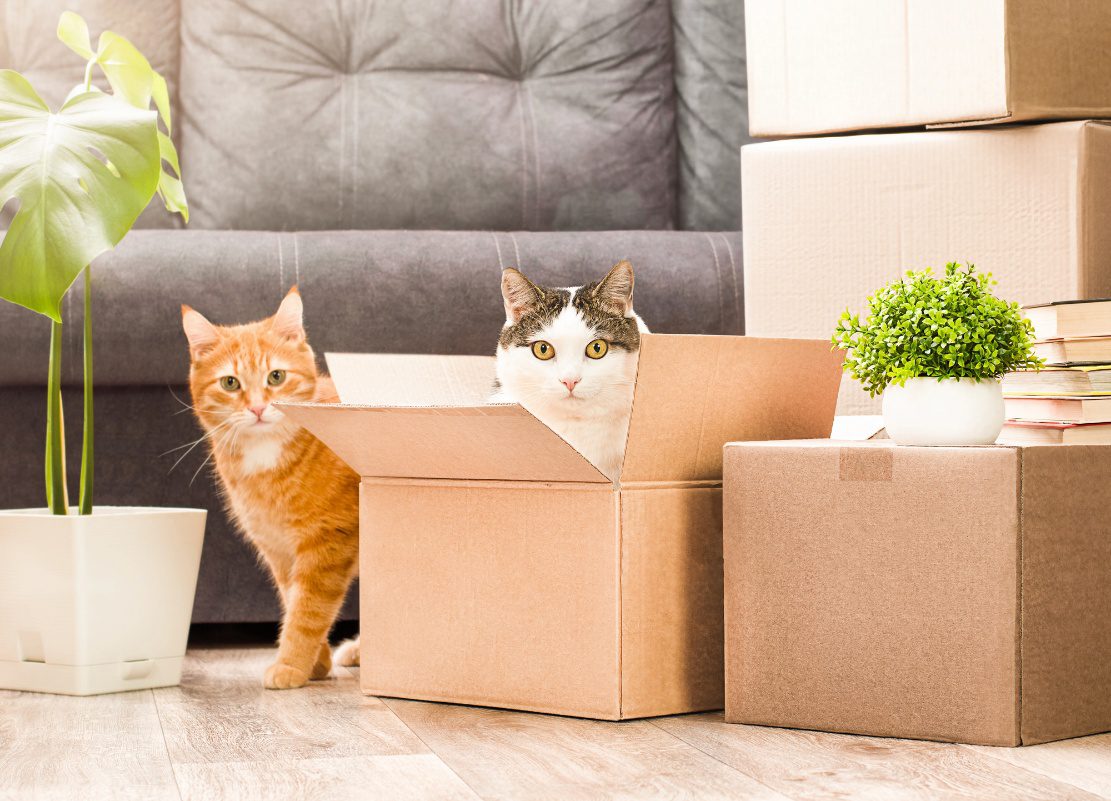
Moving with pets is safer and less stressful when their transport, routine, and first few days in the new home are planned separately from the household move. Your plan should also consider the animal’s age, health, temperament, and previous travel experience.
For a local move, that may mean leaving a dog or cat with a trusted person while the movers work. For a long-distance move, plan the carrier or restraint, rest stops, accommodation, veterinary needs, and how the pet will travel before moving day.
This guide covers the best way to move across the country with pets and helping a pet adjust to a new home.
Start With the Pet’s Transport Plan, Not the Moving Truck
Pets should travel separately from household goods. However, professional movers do not transport live animals, so decide early who will be responsible for your pet and how the animal will travel.
If you are travelling by car, use a secure carrier or appropriate restraint and plan stops around your animal’s needs. If you are flying, check the airline’s current pet rules well in advance because carrier requirements, documentation, routes, and seasonal restrictions can vary.
Dogs and cats are not the only animals that may need special planning. Birds, reptiles, small mammals, and aquatic animals can have very different requirements for temperature, ventilation, enclosures, feeding, and handling. Check species-specific transport needs well before moving day.
Update Identification and Keep Records with You
Make sure collars and tags show a current phone number. If your pet is microchipped, check whether the contact details on the chip are updated. Keep vaccination and veterinary records accessible, especially for a long-distance move or any trip that includes air travel or an international border.
Do not pack these documents in a box that will be inaccessible for several days. Keep them with your own travel documents and save a digital copy as a backup.
Plan the Journey Before the Move
Confirm the route, overnight stops, mover timing, key handover, and the supplies that need to stay with you before the household goods leave. For moving pets long distance, plan for:
-
Food and water
-
Medication and records
-
Carriers or restraints
-
Rest and toilet breaks
-
Pet-friendly accommodation
-
Temperature and weather conditions
-
First-night supplies
Best Way to Move Cats Across Country
Cats can be sensitive to sudden changes, so the goal is to keep the journey as controlled and predictable as possible.
Make the Carrier Familiar Before Moving Day
Do not wait until departure morning to bring out a carrier the cat rarely sees. Leave it open in a familiar area several days before the move and place bedding, treats, or another familiar-smelling item inside.
Keep the Cat Secure During Travel
On travel day, place the cat inside the carrier before loading the vehicle. Secure the carrier so it cannot slide, tip, or move during sudden stops. Keep the cat inside the carrier whenever vehicle doors are open, including at rest stops. Even a normally calm cat may try to escape in an unfamiliar environment.
Plan Overnight Stops in Advance
If the trip requires an overnight stay, confirm pet-friendly accommodation before leaving. Before opening the carrier:
-
Close exterior doors and windows.
-
Check for gaps behind furniture or appliances.
-
Set up food, water, and a litter box.
-
Let the cat settle before introducing more activity.
Introduce the New Home Gradually
At the new home, start the cat in one quiet room with food, water, a litter box, hiding options, and familiar bedding. Once the cat appears comfortable, gradually allow access to more of the home. Avoid opening every room at once if the cat seems overwhelmed.
Moving Cross Country With a Dog
Plan for regular breaks, safe restraint, familiar food, medication, and overnight accommodation before the trip begins.
Keep Travel Safe and Comfortable
Use an appropriate harness, restraint, or travel crate so the dog cannot move freely around the vehicle. Carry water and allow regular breaks for toileting, stretching, and short walks. Avoid leaving the dog unattended in a parked vehicle, particularly during hot or cold weather.
Maintain Familiar Routines
Moving house with a dog is easier when feeding, exercise, and sleep routines stay reasonably familiar. A walk before the movers arrive can help reduce excess energy. During loading, however, keep the dog securely supervised away from open doors, equipment, trucks, and busy carrying paths.
Set Up the Dog’s Space Early
At the new home, put out the dog’s bed, water, food bowls, and a few familiar items as soon as possible. Keep walks and feeding times close to the normal routine while the dog learns the new surroundings.
Keep Essential Pet Supplies With You
Anything your pet may need during the journey should stay in your vehicle or luggage, not on the moving truck. That includes medication, veterinary records, food, water, identification, carriers, leads, litter supplies, and anything needed for the first night in the new home.
How to Help a Pet Adjust to a New Home
A gradual transition is usually easier than introducing every room and routine at once.
Start With One Familiar Space
Set up a quiet, secure area with familiar bedding, food, water, toys, and the pet’s normal supplies. Once the animal appears comfortable, gradually allow access to more of the home. Keep doors and windows secure while the pet is learning the new environment.
Return to Familiar Routines
For dogs, return to normal feeding, walking, and sleep routines as soon as practical. For cats, keep litter boxes, food, water, and resting areas in predictable locations while they learn the new layout.
Keep Moving-Day Disruption Low
The less chaotic the household move is, the easier it is to focus on your pet.
-
Declutter before the final week.
-
Finish most packing early.
-
Keep pet supplies separate from moving boxes.
-
Gather packing supplies before the home becomes busy.
-
Keep food, medication, bedding, and travel items easy to reach.
If time is limited, professional packing and moving can reduce the number of days the home stays half-packed and give you more time to manage the pet’s travel and settling-in needs.
Watch How Your Pet Is Adjusting
Pay attention to changes in appetite, toileting, behaviour, or energy. If your pet appears unwell or you are concerned about how it is coping after travel, contact a veterinarian.
A Low-Stress Pet Move Starts Before Moving Day
Arrange transport early, keep identification and records within reach, and set up a quiet space at the new home before expecting them to settle in. Keeping pets away from moving-day pressures is a helps avoid the last-minute residential moving problems that can make the day harder than it needs to be.
If the move itself takes longer than expected, the same trade-offs between DIY and professional help apply here too. The less time you spend scrambling with boxes and heavy furniture, the more attention you can give to the animal making the trip with you.
Frequently Asked Questions
What is the best way to move pets across the country?
The best way to move pets across the country depends on their species, age, health, temperament, route, and season. If you are moving across the country with pets in Canada, build the travel schedule around the animals’ normal needs rather than trying to cover the greatest distance in the shortest possible time.
What should I pack when moving cross-country with a dog?
Keep food, water, bowls, medication, records, a leash or harness, waste bags, bedding, and cleaning supplies in the passenger vehicle where they are easy to reach.
Can my pet travel in the moving truck?
No. Household moving trucks are not appropriate for transporting live animals. Arrange separate transport for your pet.
How can I make moving house with a dog less stressful?
Keep walks, meals, and familiar items as consistent as possible, arrange a safe place during loading, and set up the dog’s bed, water, and normal supplies early at the new home.
How long does it take a pet to adjust to a new home?
Some animals settle quickly, while others need more time. Keep routines predictable, introduce the space gradually, and speak with a veterinarian if you are concerned about your pet’s health or behaviour.