
Nearly every Canadian household owns a refrigerator. So, if you’re moving across Canada, chances are you’re going to bring your fridge with you.
Full-size refrigerators can weigh around 250 pounds on average, and lifting heavy items is a leading cause of injuries. With those realities in mind, moving a refrigerator takes careful planning, proper equipment, and teamwork.
In this blog, we’ll walk you through a complete guide on how to move a refrigerator safely. But first, let’s take a look at the essential tools and supplies you’ll need for the job.
Tools and Supplies You’ll Need for a Smooth Move
Gathering the right moving supplies and equipment makes the process easier. Here’s what you’ll need:
- Appliance dolly or hand truck: These tools allow you to tilt and roll the fridge without lifting its full weight. They usually have built-in straps to secure the refrigerator. To use one, gently tilt the fridge onto the dolly, keeping it upright, and wheel it out with a helper guiding the base.
- Moving straps: Straps help redistribute the weight across your shoulders and legs, taking pressure off your back.
- Moving blankets: Moving blankets are essential for protecting your refrigerator from scratches, dents, and other damage. Wrapping the appliance in moving blankets creates a cushioned barrier that guards against impacts and minimizes friction while in transit.
- Coolers: If you have any perishable food items in your fridge when you need to move, you will need coolers to store these items temporarily.
- Furniture sliders: These smooth plastic or rubber pads go under each fridge corner to let you slide it across floors without scratching hardwood or damaging tiles. They’re handy for repositioning before loading it onto a dolly.
- Measuring tape: Use this to measure doorways, hallways, and stairwells ahead of time. Compare these measurements to the fridge’s width, depth, and height (with doors closed) to avoid last-minute clearance issues.
- Furniture pads and shrink wrap: Wrap these around the fridge to protect it from dings, scratches, and other damage while it’s in transit. They’re helpful for keeping floors shut and shelves in place during the move.
Getting Your Fridge Ready for the Move
Proper preparation prevents injuries and damage. It’s also helpful to have a moving checklist to stay organised, reminding you to label boxes, defrost the freezer, or schedule other tasks as you prepare the refrigerator for moving.
Before lifting, you’ll need to unplug your fridge, empty it, clean it, and secure all movable parts. Here’s how to do each step properly:
Disconnecting and Cleaning the Refrigerator
Before moving your fridge, disconnect it and properly prep the inside to prevent leaks, odors, and damage. If you’d rather not pack yourself, look into professional packing services.
Unplug the Power Cord
Unplugging your fridge is vital. Make sure to turn off the power and disconnect the appliance from the electrical outlet before cleaning the refrigerator. Wrap the cord and secure it with tape to prevent tripping or dragging during the move.
Shut Off the Water Supply
If your fridge has a water dispenser or ice maker, shut off the water supply and detach the hose (usually behind the fridge or under the sink). Remove the water filter and place towels underneath to catch leaks.
Empty All Food and Perishables
After shutting off the water supply, empty the fridge of all food and store perishables in a cooler with ice packs if you’ll need them during the move. This is a good opportunity to declutter and sort what to keep or toss so you can reduce what needs to be packed.
Measure The Refrigerator
To ensure your refrigerator fits through doorways, stairways, and hallways, measure it first. Once you have the measurements, you can plan the best route for moving your refrigerator.
Remove Shelves, Drawers, and Loose Parts
Take out all removable shelves, bins, and compartments. Wrap each item in paper or bubble wrap and place it in clearly labelled moving boxes to prevent breakage during transport. If you can’t remove the parts, secure them in place using painter’s tape or foam inserts.
Defrost the Freezer
If your freezer isn’t frost-free, unplug the unit at least 24 hours before moving. Leave the doors open and place towels on the floor to soak up melting ice. Be sure to dry everything thoroughly once defrosting is done.
Clean the Interior Thoroughly
Use a mix of warm water and baking soda to wipe down all interior surfaces. The mixture will neutralize odors without leaving behind chemical smells. Avoid bleach or strong cleaners that can damage plastics or rubber seals. Dry everything with a clean towel to prevent mold or mildew.
Easy-to-Follow Guide to Moving Your Fridge
Moving a refrigerator takes teamwork and patience. The guide below walks you through each phase. If you’re hiring a professional moving company, make sure to consult with them about what they won’t move, so you don’t leave prohibited items with your movers.
Step 1: Get Help and Prepare
Recruit a friend or family member. A refrigerator is too heavy for one person, and trying to move it alone increases the risk of injury. Consider hiring professional movers for extra help if you’re tackling multiple heavy items. You can find professional movers near you who can handle high-rise buildings and narrow staircases with ease.
Step 2: Wrap and Protect the Fridge
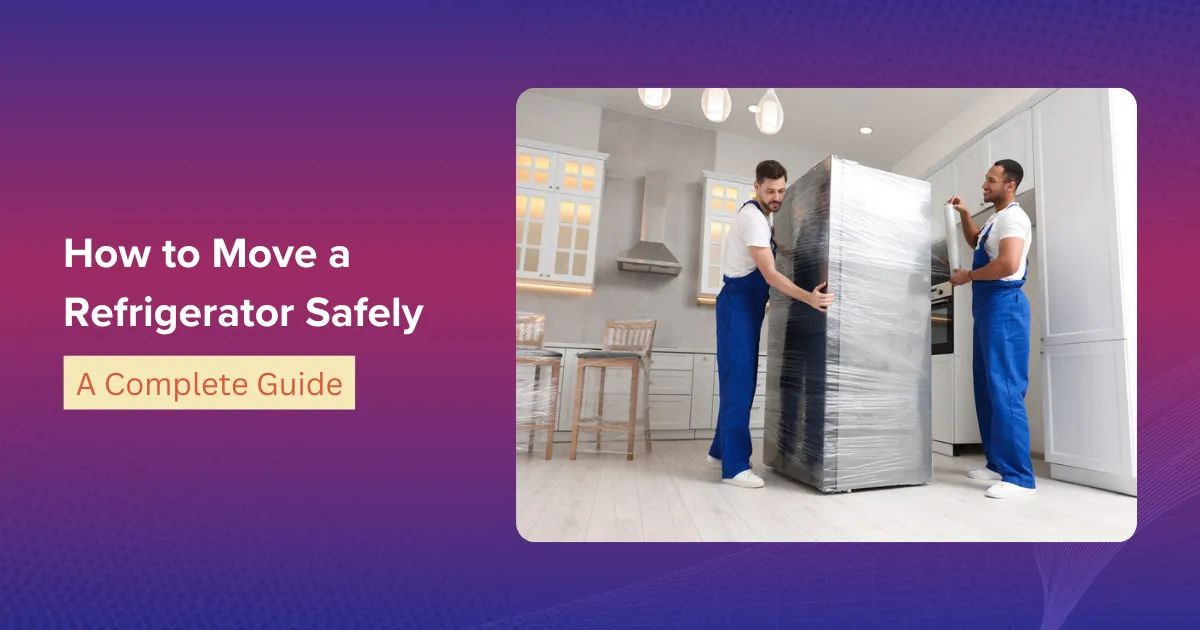
Secure the refrigerator doors with plastic wrap or rope to prevent them from swinging open. Wrap the exterior with moving blankets or furniture pads to shield against scratches. Remove the glass shelves and crispers, then wrap them separately in paper or bubble wrap. Protect the condenser coils and the back panel with cardboard.
Step 3: Tilt and Load Using a Dolly
Slide a dolly under one side of the fridge and carefully tilt it back. Keep your back straight and bend at the knees while doing this. Lift with your legs and tighten your stomach muscles. Keep the load close to your body as you slowly roll the dolly toward the moving truck. If you have to take the stairs, check with the moving company you hired if they charge extra for stairs and plan accordingly.
Step 4: Secure It in the Vehicle
Once inside the truck, place the fridge upright against a wall. Use moving straps or ropes to secure it firmly so it doesn’t tip or slide during transit. Position it away from sharp objects or loose cargo. If you’re planning to use a rental vehicle, it’s wise to compare rental trucks vs hiring movers first to see which one is more worth it.
Step 5: Keep It Upright and Rest Before Plugging In
Always transport the refrigerator upright to protect the compressor. If the appliance must be laid on its side for a short period, let it stand upright for the same amount of time before plugging it in. Some manufacturers recommend waiting several hours or up to 24 hours for compressor oil to settle. Following this rest period prevents damage.
Step 6: Set Up Your Fridge in the New Place
Once your fridge arrives at your new home and has rested long enough, reconnect the water lines, the dispenser, and the ice maker. When powering up, check that both the freezer and refrigerator compartments reach proper temperatures.
Moving Tips for Long-Distance Fridge Moves
When you’re relocating across provinces, or even across the country, your fridge needs extra care. Long-distance moves add complexity.
Plan Your Route Ahead of Time
Measure all doors, hallways, and elevator spaces in both your current and new homes, whether it’s a townhouse, studio apartment, or condo. Mapping your path in advance helps avoid last-minute surprises, especially for tight or shared spaces.
Watch the Weather
Weather can mess with your schedule or damage your fridge if you’re not prepared. For example, moving in summer can raise interior fridge temps in hot trucks. Moving in the spring can affect traction and safety during unexpected rains. And moving in winter can increase the risk of slips due to icy surfaces. Always know what to expect and plan accordingly.
Budget for Extra Distance
Long-distance fridge moves usually involve extra costs like fuel, packing supplies, stair or elevator fees, and sometimes overnight storage. Learn how to create a moving budget and review estimated moving cost ranges. If you’re crossing provinces, check how much it costs to hire movers across Canada and compare moving company prices before booking.
Consider Downsizing Before the Move
Long-distance moves are usually charged by weight or volume. If your old fridge isn’t worth hauling, consider downsizing your home before moving and letting go of old appliances or pantry items. You can donate them, trash them, or hold a garage sale to sell them.
Conclusion
Moving a refrigerator safely requires preparation, proper tools, and careful handling. For help with complex movers, consider working with professional movers. Make sure you choose the best moving company and know what to expect by asking the right questions before you hire them.
For local moves, residential moving services might fit your needs. For offices, commercial and office movers have specialised equipment.
Understanding why hiring professional movers is a safer option and following our safety tips can keep you injury-free. Finally, plan ahead for a stress-free moving process and tip your movers appropriately. Don’t forget that you can claim moving expenses in Canada if you’re aiming for an affordable moving journey.
FAQs
How far in advance should you schedule help to move a refrigerator?
Many people book moving services weeks or even months ahead. Securing a date early helps you organise your moving checklist and budget. It’s best to schedule your movers or move at least 3 to 4 weeks in advance. This will also help ensure availability if you need specialty moving services or have tight schedules to coordinate.
How do you move a fridge in a small apartment or high-rise condo?
Measure doorways, hallways, and elevator interiors before moving day. Book the service elevator in advance if required and notify the building manager about your move. For smaller spaces, make sure to plan efficiently and avoid damage to common areas. Professional movers familiar with urban moves can help avoid fines or access issues.
Should you hire professional movers or do it yourself?
Deciding between DIY moving vs hiring a moving company depends on your moving budget, schedule, and comfort with handling heavy items.
Professionals bring experience and specialized tools to safely move appliances, whereas DIY offers more control over timing and cost. If you’re moving a large fridge in a high-rise or long distance, hiring professional movers might be the safer bet.
What if you’re moving with pets or babies?
Keep pets and babies away from the moving area to avoid accidents or stress. Create a safe space in a separate room with essentials like food and toys. If possible, have a friend or sitter help on moving day.
How do you handle office or commercial movies that include refrigerators?
Office moves require extra coordination, especially if your fridge is used in a shared kitchen or lounge. Reserve the building’s loading docks and service elevators, and ensure the fridge is thoroughly cleaned before moving day. For business movers, commercial and office movers have the right tools and experience.


